Electric Scooters and E-Bikes: A Beginner's Guide to City Rides
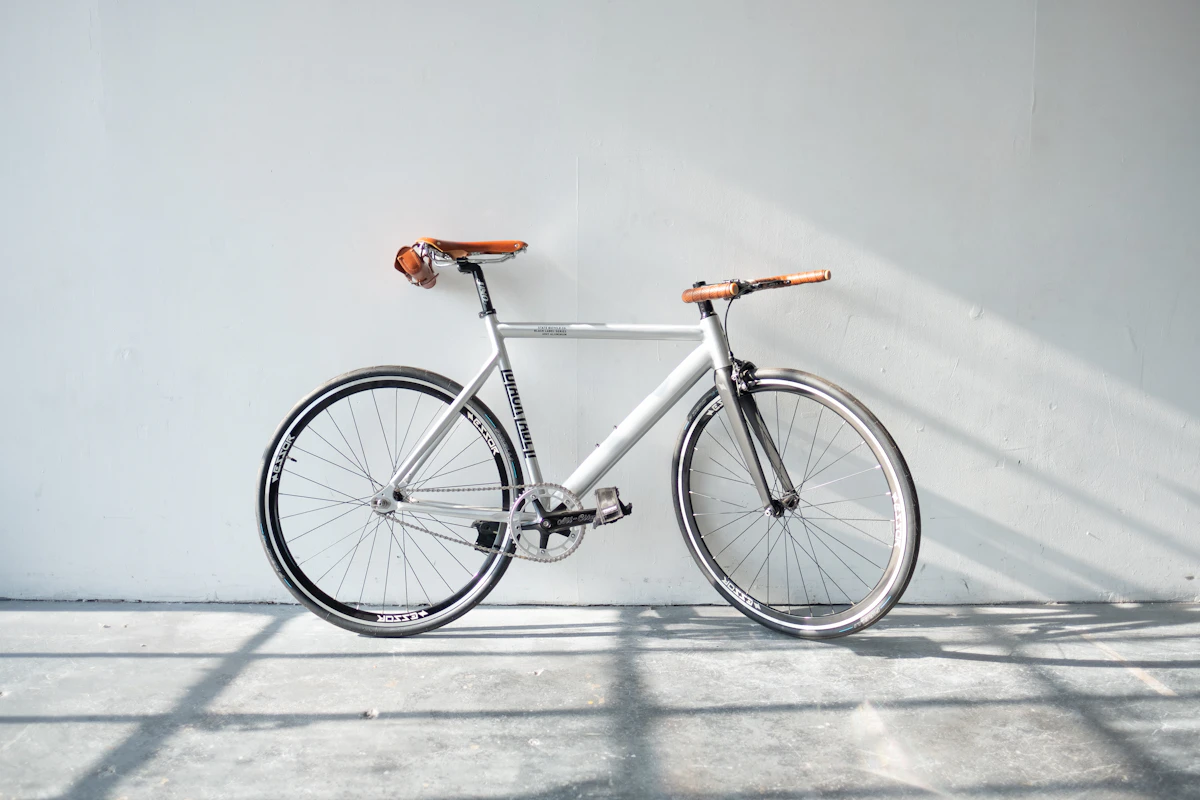
Electric scooters and e-bikes have changed how many people move around a city. Short trips that once meant waiting for a bus or sitting in traffic can now take ten minutes on a quiet, battery-powered ride. Both options are cheaper than a car, easier to park, and kinder to the environment. The challenge for a beginner is choosing between them, understanding the rules, and staying safe on busy streets.
An electric scooter is simple and compact. You stand, push a throttle, and steer with handlebars. Most scooters fold in seconds, fit under a desk or in a hallway, and weigh little enough to carry up a few steps. They are ideal for flat routes under five kilometres, especially if you combine them with a train or bus.
E-Bikes for Longer Rides
An e-bike suits longer and hillier routes. The motor helps you pedal rather than replacing pedalling altogether, so you arrive less sweaty but still get some exercise. E-bikes handle rough roads better, carry bags and baskets easily, and feel more stable at speed. They cost more than scooters and need more storage space, but for a daily commute of five to fifteen kilometres they are often the better choice.
Range is the number most beginners worry about, and it is also the easiest to misunderstand. Manufacturers quote a maximum range in perfect conditions, but hills, wind, rider weight, and cold weather all reduce it. A scooter that claims forty kilometres may give you twenty-five in real life. Choose a model with at least a third more range than your longest regular trip,
Safety, Rules, and Costs
Safety comes first, whatever you ride. Wear a helmet, use lights after dark, and wear bright or reflective clothing in traffic. Learn to brake smoothly, watch for car doors opening, and slow down at junctions and pedestrian crossings. Practise in a quiet area before your first commute, and keep your tyres pumped and your brakes checked.
Rules vary by city and country, so check local laws before you buy. Some places limit speed, require a minimum age, ban scooters from pavements, or require lights and bells. Insurance and registration rules also differ. A quick check with your local council or transport authority can save you a fine and help you ride with confidence.
Cost is more than the price tag. Add a good lock, a helmet, lights, and occasional servicing. Think about your whole journey too: comfortable earbuds make a ride more pleasant, so read our guide to wireless earbuds in 2026, covering sound, battery, and comfort. If your ride ends at a desk, compare tablets versus laptops and which one fits your daily work to complete your setup.
electric scooterse-bikeselectric bikescity commutingurban transportbeginner guidemicromobilityscooters 2026sustainable transportcommuting
Related Articles

Wireless Earbuds in 2026: Sound, Battery, and Comfort
Wireless earbuds keep getting smaller, smarter, and longer-lasting. This guide explains sound, battery life, fit, and features worth paying for in 2026.

Tablets vs Laptops: Which One Fits Your Daily Work?
Tablets are lighter and simpler, laptops are more powerful and flexible. Compare screens, keyboards, apps, and battery life to find your best daily device.

Voice Search in 2026: How People Search Without Typing
Voice search is now part of daily life. Learn how people ask questions aloud, what makes a spoken query different, and how to get useful answers fast.