Voice Search in 2026: How People Search Without Typing

Talking to a phone, a smart speaker, or a car dashboard has become an ordinary way to look something up. Instead of opening a browser and typing a few keywords, people simply ask a question out loud and wait for a spoken answer. In 2026, voice search is no longer a novelty. It is a habit for cooking, driving, exercising, and multitasking around the house, and it changes the shape of the questions people ask.
Spoken queries tend to be longer and more conversational than typed ones. A person typing might enter “weather tomorrow,” while the same person speaking might say, “Do I need a jacket tomorrow morning?” Because the answer is often read aloud, people expect one clear reply rather than a long list of options to scroll through.
When Voice Search Works Best
Voice search shines when your hands or eyes are busy. Asking for a timer while cooking, checking traffic before leaving home, or finding a phone number while driving are all moments when speaking is faster and safer than typing. It is also helpful for quick facts, simple definitions, conversions, and reminders.
It works less well for research that needs comparison. If you want to compare several products, read long articles, or study a complicated topic, a screen is still better. Voice answers are brief by design, so they can leave out useful detail. For those tasks, it often makes sense to start with your voice and finish on a screen, where you can read more, check sources, and take your time.
How to Get Better Answers from Voice Search
Speak naturally, but be specific. Instead of asking “What is a good restaurant?”, try “What Italian restaurants near Central Park are open now?” Adding a location, a time, or a clear detail helps the assistant narrow the answer. If the first reply is not quite right, rephrase the question rather than repeating it exactly. A small change in wording often leads to a much better result.
It also helps to know how to check what you hear. A spoken answer may sound confident, but it still comes from a web page somewhere, and not every source is equally reliable. Learning to pause and verify an important answer is a useful habit, and our guide to reading search results explains how to judge a page once you open it. If privacy matters to you, it is worth comparing the tools themselves too, as our privacy-focused search comparison shows how different search engines handle your queries. Voice search is at its best when it is quick, clear, and easy to double-check.
voice searchsmart speakersvoice assistantssearch enginesGoogle AssistantAlexaSirihands-free searchspoken queriessearch tips
Related Articles

How to Read Search Results and Find Trusted Pages
Not every result on page one deserves your trust. Learn to spot ads, check sources, and tell reliable pages from weak ones before you click.

DuckDuckGo vs Google: A Privacy-Focused Search Comparison
Google and DuckDuckGo take very different approaches to your data. Compare privacy, results, and everyday features to decide which fits you.
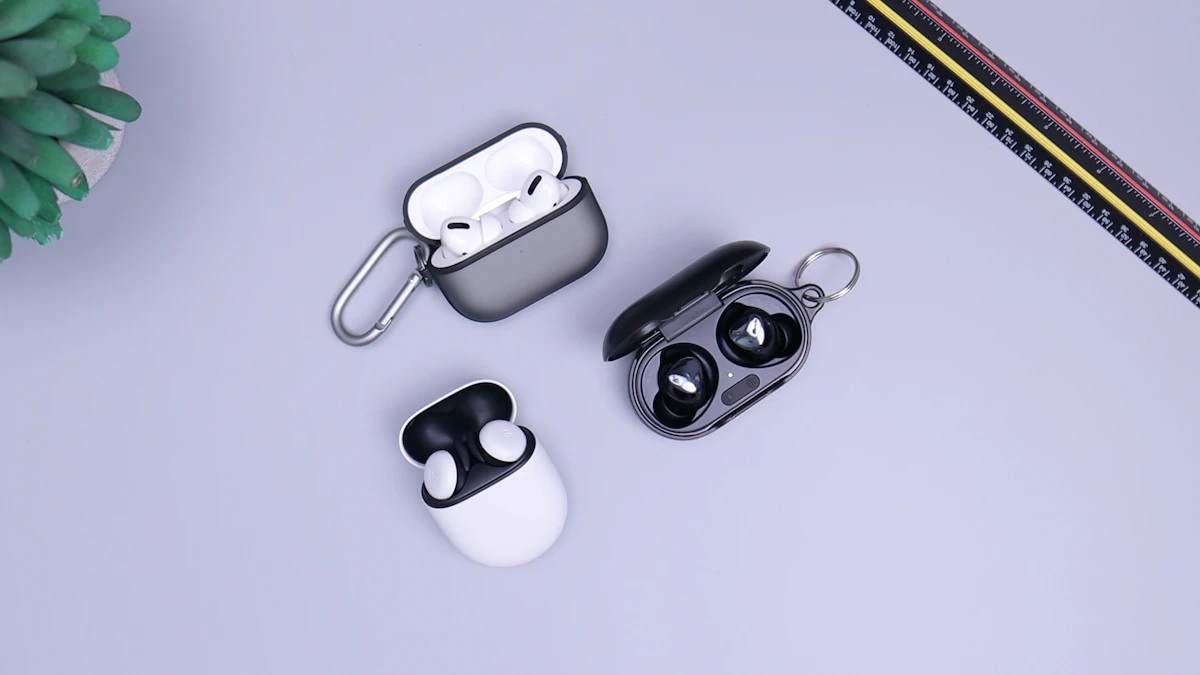
Wireless Earbuds in 2026: Sound, Battery, and Comfort
Wireless earbuds keep getting smaller, smarter, and longer-lasting. This guide explains sound, battery life, fit, and features worth paying for in 2026.